Wind Energy Beyond Traditional Leasing: When Lease Income Alone Is No Longer Enough
For many years in Germany, wind turbine lease payments provided a predictable source of additional income for agricultural and forestry businesses. Today, however, traditional leasing models are coming under pressure. Lower auction prices, rising financing costs and stricter lending requirements are reducing the scope for high land lease payments. At the same time, a government-imposed cap on lease payments is under discussion. What this could mean for landowners and which participation models may open up new opportunities will also be a topic at EnergyDecentral 2026 in Hanover.
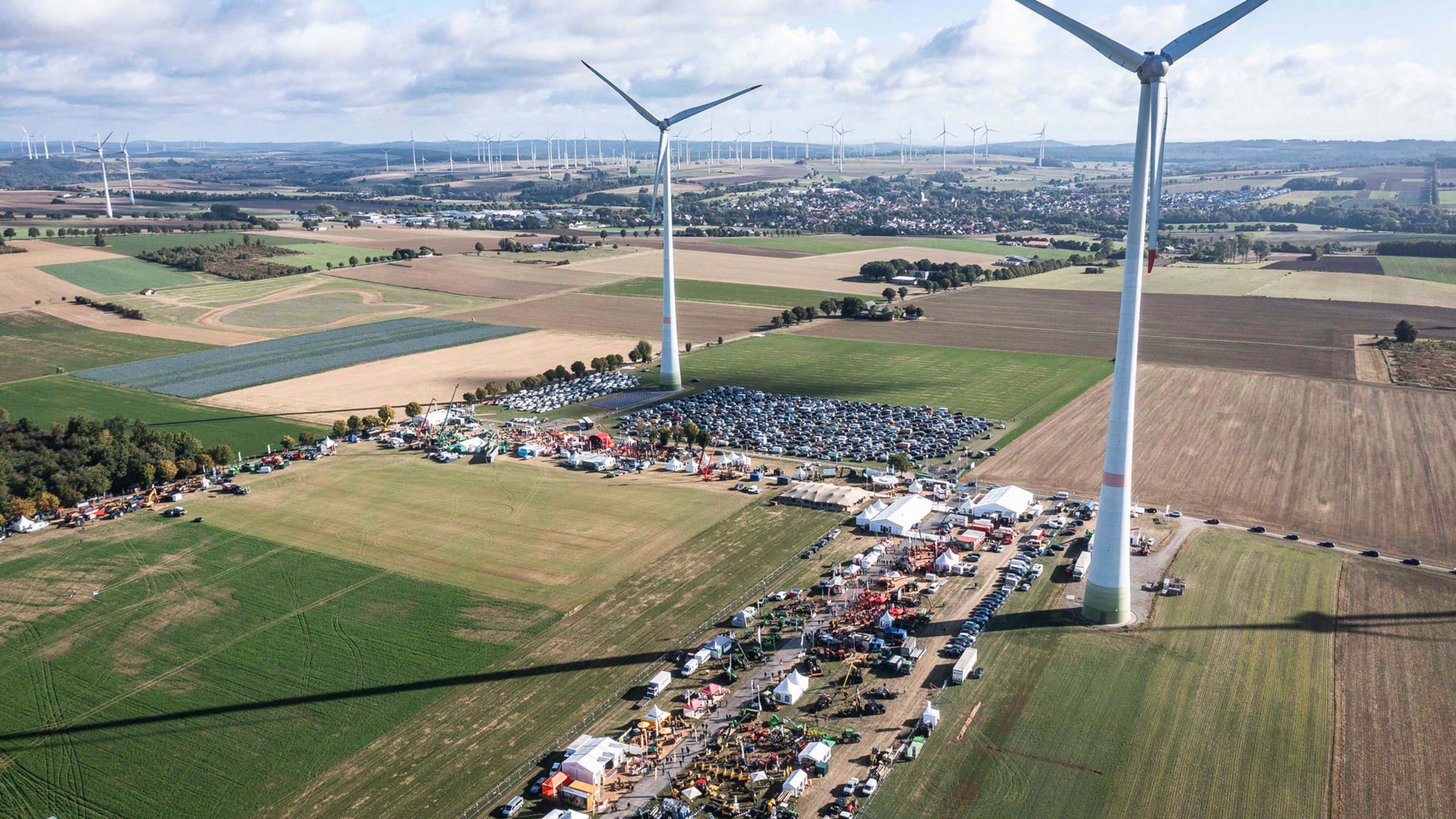
The German Renewable Energy Sources Act (EEG) was a key catalyst for the country's energy transition. When it entered into force in April 2000, renewable energy accounted for just over 6 percent of electricity consumption. Today, that figure exceeds 55 percent. As renewable technologies have matured, the question has increasingly become how they can be integrated more fully into competitive market structures. The German government intends to expose the energy transition more strongly to market forces, increasing the entrepreneurial responsibility of project operators. More market competition, however, also means allowing price signals to function. This is precisely where tensions arise in the debate over a proposed cap on lease payments for wind energy sites.
The draft amendment to the EEG proposes significantly limiting future lease payments for wind energy land. Under the proposal, payments would be capped at 2.5 percent of electricity revenues. In practice, considerably higher lease rates have often been agreed in recent years, particularly at highly attractive sites. For landowners, the proposed cap could therefore result in substantial income losses. AGDW (The Association of German Forest Owners), Family Farms Land and Forestry, and the German Farmers' Association oppose the measure, arguing that it represents a significant infringement on property rights and contractual freedom. The associations also reject the argument that a lease cap would reduce electricity prices, stressing that power prices are determined on electricity markets rather than directly by individual lease agreements.
Changing Financing Conditions
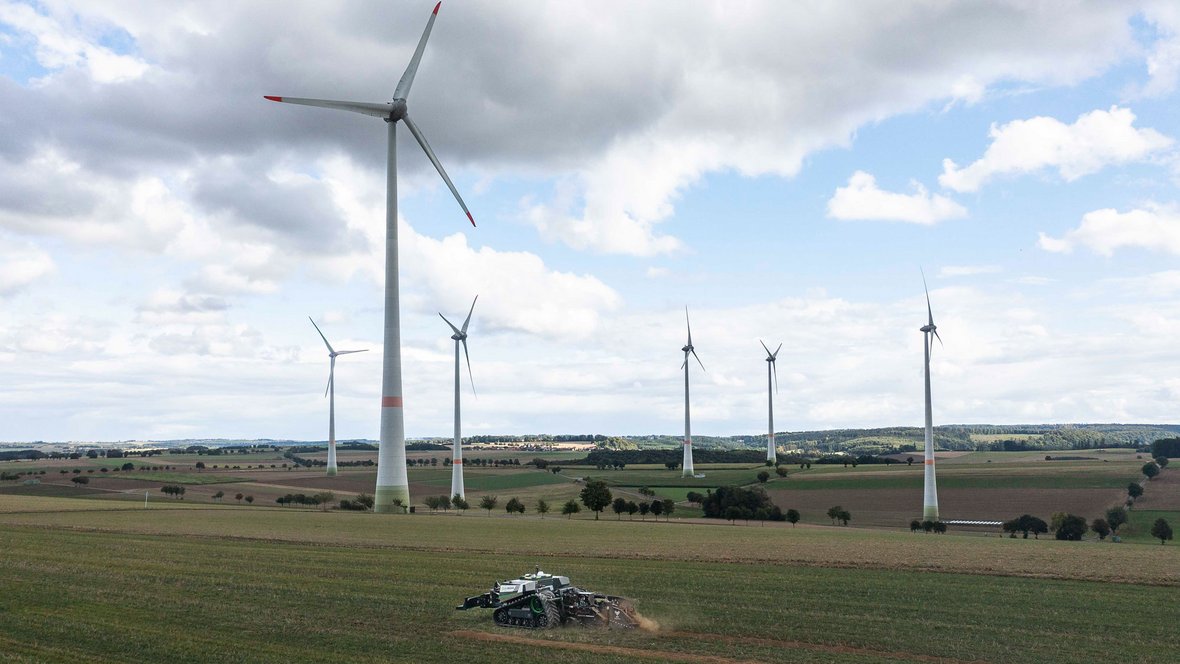
Regardless of the political debate surrounding the lease cap, current developments point to a more fundamental issue: the economic framework for wind energy projects has changed.
Only a few years ago, higher auction awards, more favourable financing conditions and a strong willingness among banks to lend enabled project developers to realise economically attractive projects, even while paying relatively high lease rates and financing a large share of investment through debt. Conditions have since changed significantly.
At the same time, auction award values have fallen sharply, from 6.06 cents per kilowatt-hour in the final auction round of 2025 to 5.54 cents in February, 5.06 cents in May and most recently 4.79 cents per kilowatt-hour in August 2026.
This does not necessarily call the overall profitability of wind projects into question. The greater challenge may instead be bankability. Lenders are taking a more conservative approach and frequently calculate project viability using cautious production assumptions, such as P75 yield forecasts rather than the average P50 expectation. Even under these conservative assumptions, projects must demonstrate sufficient debt-service capacity. High-quality wind sites are more likely to meet these requirements, while marginal locations are finding it increasingly difficult to do so.
Lease Payments Under Pressure
For landowners, these developments have direct consequences.
Lease payments represent one of the few cost components within a wind energy project that can be adjusted relatively flexibly. At the same time, secure long-term access to the site is critical from a lender's perspective, since the wind farm located on that land generates the revenue needed to repay project financing.
In practice, this may lead to renegotiations initiated by project developers, sometimes involving substantial reductions in lease payments. Examples from current projects illustrate how dramatically this can alter the distribution of value creation. Compared to earlier project calculations, the share of revenues flowing to landowners may decline significantly.
For projects financed with very high levels of debt, variable lease payments of around 2.1 percent, or approximately €25,000 per turbine annually, have been reported. By contrast, projects with higher equity contributions saw lease rates of between 4 and 5.4 percent discussed and, in some cases, implemented in early 2026. While such figures cannot automatically be applied across the entire market, they demonstrate the close relationship between financing structure, lease rates and a project's economic viability.
Lower lease payments improve a project's financing prospects. Economically speaking, however, landowners bear part of that burden without automatically receiving additional participation rights or a larger share of the overall value generated by the project. This is exactly where new participation models come into play.
Participation Instead of Pure Leasing
For landowners, an ownership stake in a project can offer a way to supplement reduced lease income with a share of long-term operating profits.
Depending on the structure chosen, the land itself, or the decision to accept lower lease payments, can be recognised economically as a contribution to the investment structure. However, the level and design of such participation models can vary considerably.
The specific contractual and corporate structure is therefore crucial. Development risk should remain with the project developer wherever possible. Additional capital contribution obligations for landowners should be excluded, and liability risks clearly limited. If the project is successful, landowners can participate in operating profits without being exposed to unlimited losses.
Such structures may also include a guaranteed base lease payment that is independent of actual energy production, ensuring a minimum level of income even during periods of lower wind yield.
Another important distinction concerns access to information. Landowners who are solely lessors generally have only limited insight into the economic performance of a wind farm. By contrast, project participation can be linked to extended information rights, enabling stakeholders to monitor economic developments more closely and identify changes at an earlier stage.
Choosing the Right Partner
When evaluating participation models, the participation rate alone should not be the deciding factor. Equally important is the partner involved. The ideal partner should be committed to long-term operation, capable of carrying financing risks and experienced in project development, plant operation and power marketing.
Transparency regarding how a project is financed and where the required equity capital originates is also essential.
Not every participation model is equally suitable. Acquiring individual turbines can involve additional technical, economic and tax-related risks. Likewise, entering a project at a late stage may be less attractive, since a significant share of value creation often occurs during the development phase.
By contrast, involving landowners from the outset allows participation structures to accommodate future developments during the often lengthy project development process, including technological advances, battery storage integration and new power marketing opportunities that may not have been foreseeable when the original agreement was signed.
What many people fail to consider is that even a pure leasing arrangement is not entirely detached from project risks. A contractually guaranteed fixed lease may initially provide planning certainty. However, if a wind farm experiences sustained economic difficulties, renegotiations or, in extreme cases, payment defaults can occur. Participating landowners, supported by appropriate information rights, may gain a better understanding of a project's economic situation and identify potential challenges earlier than landowners who simply lease out their land.
EnergyDecentral 2026 Addresses New Approaches
For agriculture, this points to a fundamental change. Economic prospects will increasingly depend not only on which land can be leased, but also on how land, energy assets, power marketing and participation structures can be combined into a sustainable business model.
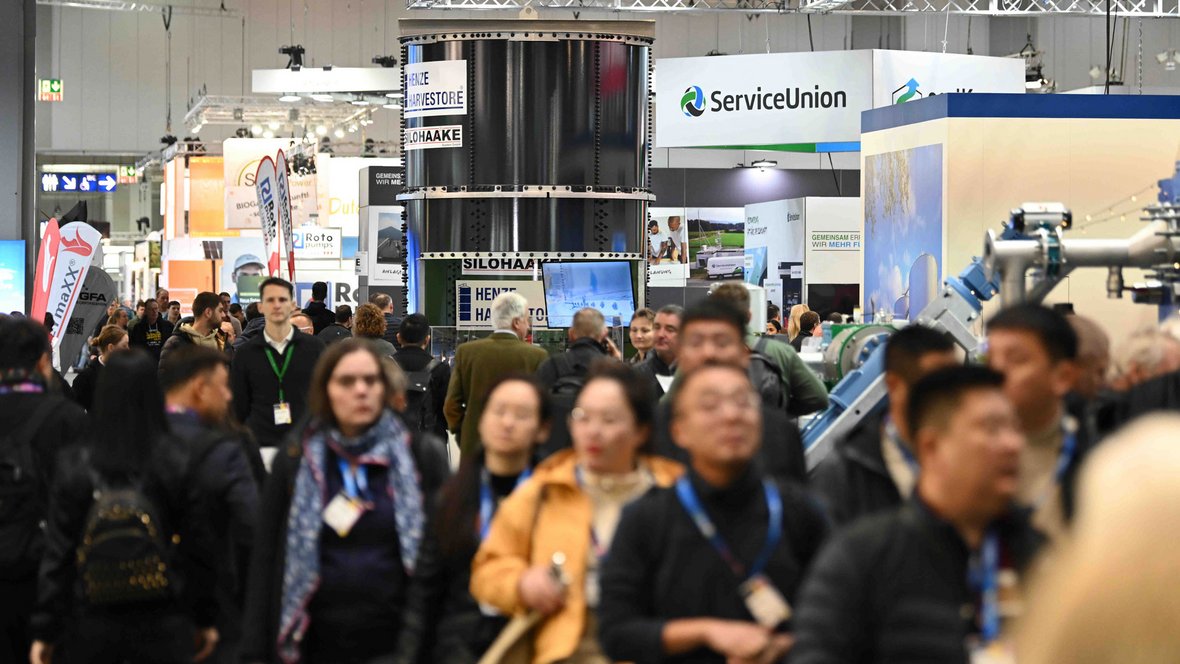
This transformation will be a key topic at EnergyDecentral 2026, taking place from 10 to 13 November in Hanover. At the DLG Spotlight "DLG Solar Initiative + Energy from the Farm", discussions will focus not only on agri-PV systems, battery storage and biogas, but also on wind energy. Topics will include why traditional lease models may be reaching their limits under changing market conditions and which participation models can offer farmers and landowners additional economic opportunities.
For wind energy, the conclusion is clear: traditional lease payments remain important, but under changing market conditions they may no longer be sufficient on their own. Participation models, professional contract design and a close understanding of financing structures and value creation can open up additional opportunities for agricultural and forest landowners.